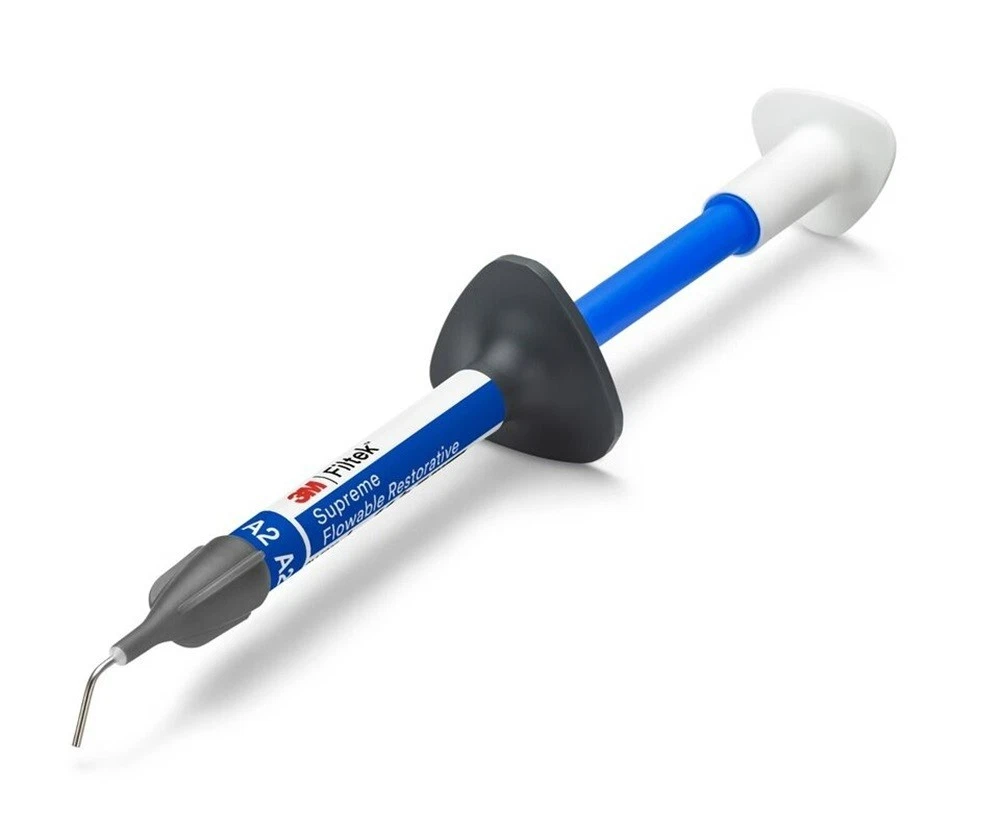
In endodontics, irrigants are liquid solutions used during root canal treatment to clean, disinfect, and debride the canal system. Since mechanical instrumentation alone cannot reach the complex lateral canals and apical ramifications, chemical irrigation is essential for a successful outcome.
1. Sodium Hypochlorite (NaOCl)
Description: The most widely used primary irrigant in endodontics, typically used in concentrations ranging from 0.5% to 6%.
- Key Features:
- Antibacterial Action: Highly effective against a broad spectrum of bacteria and biofilms.
- Tissue Dissolution: The only common irrigant capable of dissolving vital and necrotic organic pulp tissue.
- Lubricant: Acts as a lubricant for manual and rotary instruments.
- Usage: Used throughout the entire instrumentation process. It is frequently replenished to maintain its chemical activity.
- Caution: Highly cytotoxic; must be contained within the canal to avoid a “sodium hypochlorite accident” (extrusion into periapical tissues).
2. Ethylenediaminetetraacetic Acid (EDTA)
Description: A chelating agent, usually used at a 17% concentration, designed to manage the inorganic components of the canal.
- Key Features:
- Smear Layer Removal: Effectively removes the inorganic “smear layer” (dentin debris) created during filing.
- Dentin Softening: Demineralizes the canal walls, making it easier to negotiate narrow or calcified canals.
- Non-Antimicrobial: It has little to no antibacterial effect on its own.
- Usage: Typically used as a final rinse for 1–2 minutes after instrumentation is complete to open dentinal tubules for better sealer penetration.
3. Chlorhexidine Gluconate (CHX)
Description: A potent antibacterial biguanide, usually used at a 2% concentration.
- Key Features:
- Substantivity: Adheres to the dentin and continues to provide antimicrobial activity for several hours or even days.
- Low Toxicity: Much gentler on periapical tissues compared to NaOCl.
- No Tissue Dissolution: It cannot dissolve organic pulp tissue or the smear layer.
- Usage: Often used as a final rinse in cases of persistent infections (retreatment) or when the patient is allergic to NaOCl.
- Important: Never mix CHX directly with NaOCl; they react to form a brownish-orange precipitate (Parachloroaniline), which is potentially carcinogenic and can block dentinal tubules.
Summary of Irrigant Roles
| Irrigant | Organic Dissolution | Inorganic Removal | Antibacterial | Main Role |
| NaOCl | Yes | No | High | Main disinfectant & tissue solver |
| EDTA | No | Yes | No | Smear layer removal & softening |
| CHX | No | No | High | Sustained disinfection (Final rinse) |
Clinical Irrigation Protocol (Typical)
- During Shaping: Copious irrigation with NaOCl after every instrument change.
- After Shaping: Rinse with 17% EDTA for 1 minute to remove the smear layer.
- Final Flush: Optional final rinse with NaOCl or 2% CHX (with a saline rinse in between to prevent chemical reactions).
- Drying: Thoroughly dry with paper points before obturation.