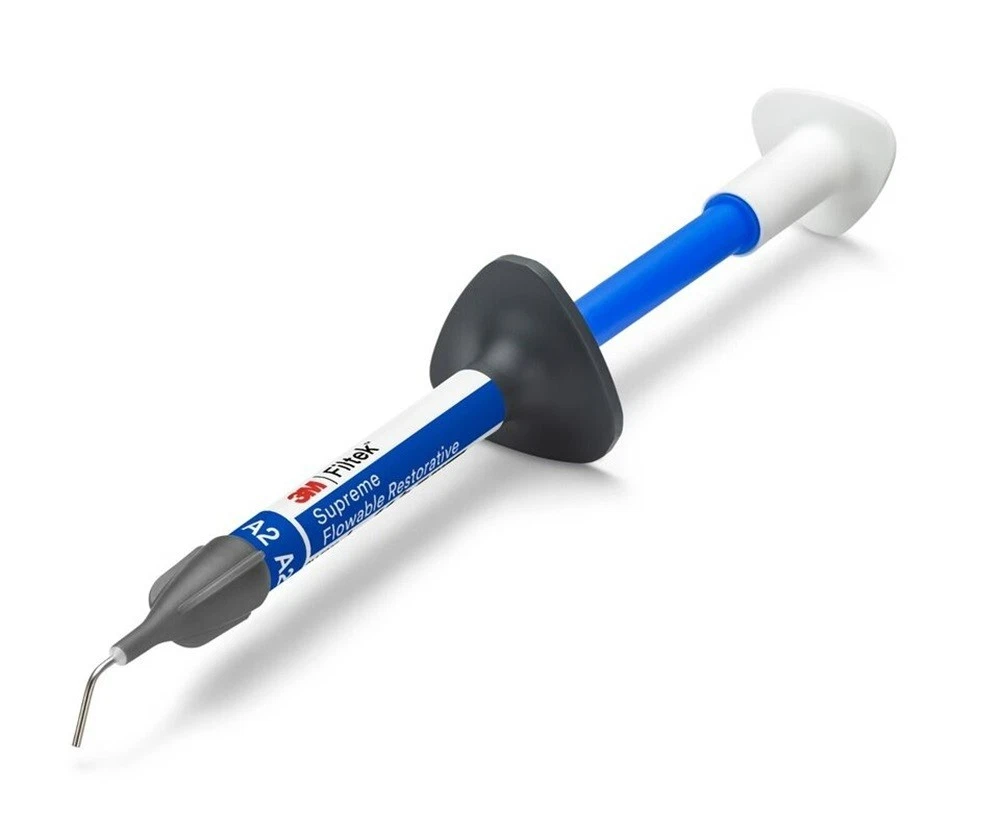
In clinical dentistry, probes are essential diagnostic hand instruments used to assess the health of periodontal tissues and detect dental caries. They are characterized by their long, thin, and blunted working ends.
1. Periodontal Probes
The periodontal probe is often referred to as the “ruler” of dentistry. It is used primarily to measure the depth of the gingival sulcus or periodontal pockets.
Description
A handheld instrument with a rod-shaped working end that is calibrated with millimeter markings. Unlike explorers, the tip of a periodontal probe is blunted or ball-ended to prevent tissue trauma.
Key Features
- Calibrations: Markings at specific intervals (e.g., $1mm, 2mm, 3mm, 5mm$).
- Color-Coding: Many modern probes use black bands or color-coded sections (like the UNC-15 or Marquette probe) for easier reading.
- Materials: Usually made of stainless steel, but plastic versions are used for titanium dental implants to avoid scratching the metal surface.
- Standard Types: * CPITN / WHO Probe: Features a $0.5mm$ ball tip for screening.
- Williams Probe: Standard markings at $1, 2, 3, 5, 7, 8, 9, 10mm$.
- Nabers Probe: Curved for detecting furcation involvement (where roots divide).
Usage
- Pocket Depth Measurement: Inserting the probe into the sulcus to measure the distance from the gingival margin to the base of the pocket.
- Clinical Attachment Level (CAL): Calculating the total bone loss.
- Bleeding on Probing (BOP): Assessing active inflammation.
- Gingival Recession: Measuring how far the gum line has receded.
2. Dental Explorers (Sickle Probes)
While technically “explorers,” these are frequently grouped with probes in basic diagnostic kits.
Description
Instruments with a sharp, pointed tip used to enhance tactile sensitivity when checking the tooth surface.
Key Features
- Fine Tip: Designed to feel for “catches” or irregularities.
- Flexibility: The wire-like end vibrates slightly when it passes over calculus or decay.
- Shapes: Available in “Shepherd’s Hook” (general decay) or “11/12 Type” (subgingival calculus detection).
Usage
- Caries Detection: Checking for softened enamel or “stickiness” in pits and fissures.
- Calculus Detection: Feeling for rough deposits under the gum line.
- Restoration Margins: Ensuring fillings or crowns have a smooth, sealed transition to the natural tooth.
Comparison Table
| Feature | Periodontal Probe | Dental Explorer (Sickle) |
| Tip Shape | Blunted / Rounded | Sharp / Pointed |
| Markings | Millimeter scales (Ruler) | None |
| Primary Goal | Measuring pocket depth / Bone health | Detecting decay / Calculus |
| Tactile Feel | Pressure-based | Vibration-based |
| Safety | Safe for soft tissue | Can traumatize tissue if used deeply |