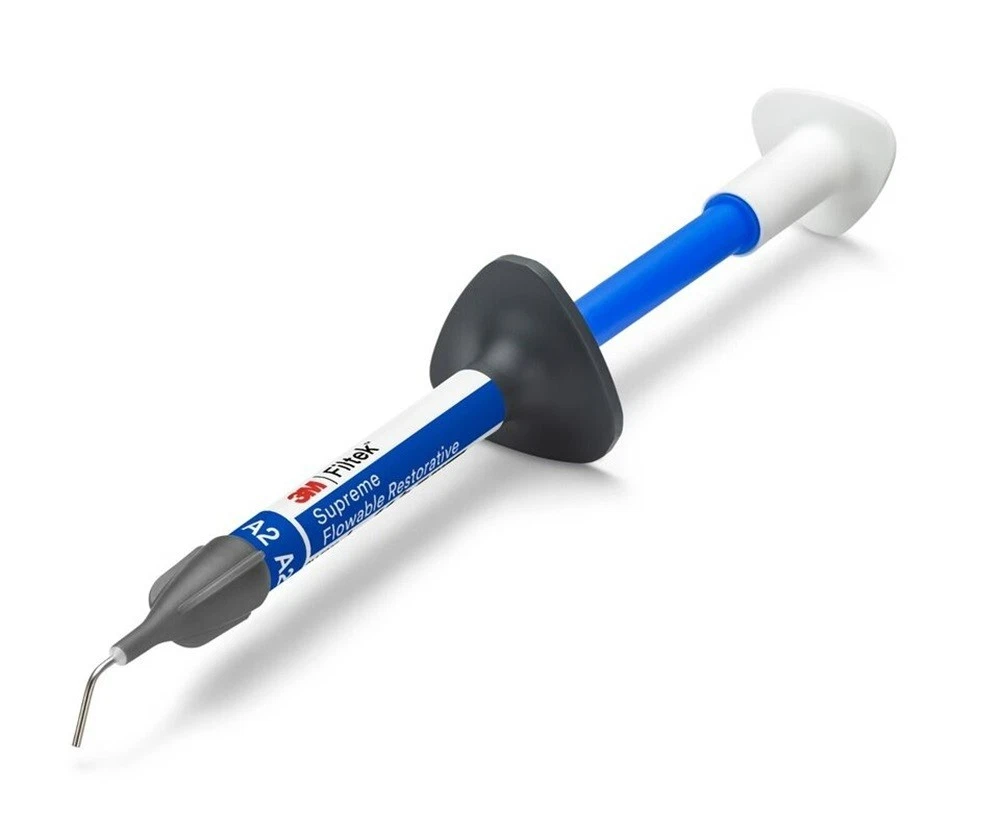
In the dental field, Acrylics (specifically Polymethyl Methacrylate or PMMA) are versatile resins used extensively for prosthetic components. They are typically supplied as a powder (polymer) and a liquid (monomer) that, when mixed, undergo a polymerization reaction to form a hard, durable plastic.
Description
Dental acrylics are synthetic resins used to replace missing oral tissues (teeth and gums). They can be categorized by their curing method:
- Heat-Cure Acrylics: Requires a water bath or oven to polymerize. These are the strongest and most color-stable, used for permanent denture bases.
- Self-Cure (Cold-Cure) Acrylics: Polymerize at room temperature via a chemical activator. They are faster but slightly more porous and less color-stable.
- Light-Cure Acrylics: Polymerize when exposed to a specific wavelength of visible light.
Key Features
- Biocompatibility: Generally well-tolerated by oral tissues, though some patients may have sensitivities to residual monomers.
- Aesthetics: Can be pigmented to match various gingival (gum) shades or made highly translucent for orthodontic appliances.
- Ease of Repair: One of the greatest advantages is that acrylic can be easily added to, ground down, or repaired if a denture breaks.
- Dimensional Stability: Once fully cured, they maintain their shape well under functional loading.
- Porosity: If not processed correctly, they can harbor bacteria; however, high-quality laboratory processing minimizes this risk.
Usage and Clinical Applications
Acrylics are the “workhorse” materials of the dental laboratory and clinical chairside.
| Application | Description |
| Denture Bases | The pink “gum” part of full or partial dentures that supports the artificial teeth. |
| Artificial Teeth | Many denture teeth are made of cross-linked acrylic to ensure a chemical bond to the denture base. |
| Provisional (Temporary) Crowns | Used to protect prepared teeth while the permanent bridge or crown is being fabricated. |
| Orthodontic Appliances | The “plate” part of removable retainers (e.g., Hawley Retainers) or functional appliances. |
| Custom Impression Trays | Fabricated to fit a specific patient’s mouth more accurately than standard stock trays. |
| Night Guards / Splints | Clear acrylic appliances used to treat bruxism (teeth grinding) and TMJ disorders. |
Processing Stages
When mixing the powder and liquid, the material passes through several distinct physical stages:
- Sandy Stage: The mixture is grainy and fluid.
- Stringy Stage: The material becomes “tacky” and develops threads when pulled.
- Dough Stage: The ideal stage for packing into a mold or shaping.
- Rubber Stage: The material becomes elastic and can no longer be molded.
- Stiff Stage: Final polymerization is complete.