
Description
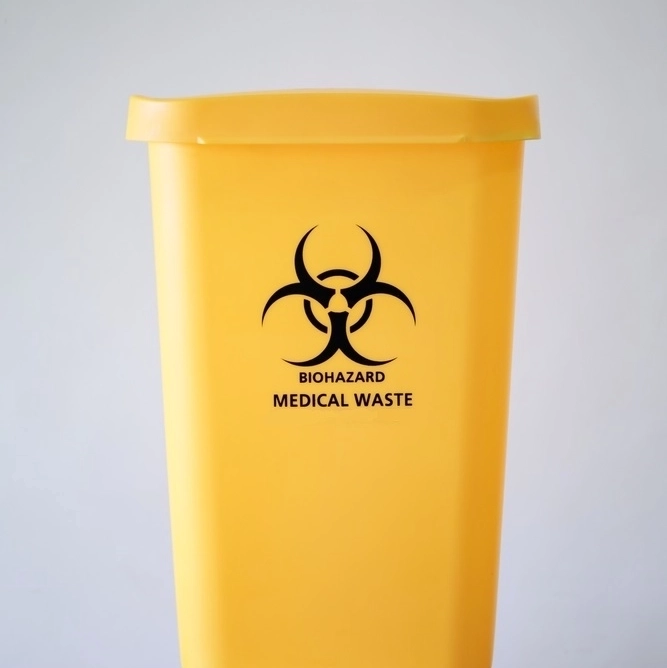
Clinical Waste Bins are medical-grade receptacles used to collect soft biohazardous waste generated during dental procedures. Unlike standard office bins, these are specifically engineered to prevent cross-contamination, typically featuring a hands-free design and high-visibility labeling (often yellow or red) to distinguish them from general waste containers.
Key Features
- Hands-Free Operation: Most dental waste bins utilize a heavy-duty foot pedal mechanism to prevent the clinician’s hands from touching the lid, maintaining a sterile field.
- Aerosol & Odor Containment: Tight-sealing lids help contain odors and prevent the escape of airborne pathogens or moisture from blood-soaked gauze.
- Durable Construction: Made from high-density polyethylene (HDPE) or stainless steel, ensuring the bin is puncture-resistant and easy to chemically disinfect.
- Color-Coded Identification: Designed to match international biohazard standards (e.g., yellow for clinical waste, red for hazardous/anatomical waste) for easy sorting.
- Bag Retention Rings: Internal frames or rings that keep biohazard liners securely in place, preventing the bag from slipping or leaking inside the canister.
Usage
- Disposal of Soft Waste: Used for the disposal of blood-contaminated gauze, cotton rolls, articulating paper, and used disposable barriers (like dental chair covers).
- Personal Protective Equipment (PPE) Disposal: A designated spot for discarding used gloves, masks, and disposable gowns after a procedure.
- Zoned Placement: Typically placed in the “contaminated zone” of the dental operatory or in the sterilization room (decontamination area) to facilitate immediate disposal.
- Compliance: Ensures the dental practice remains compliant with health and safety regulations regarding the segregation of medical waste from general office trash.