Description
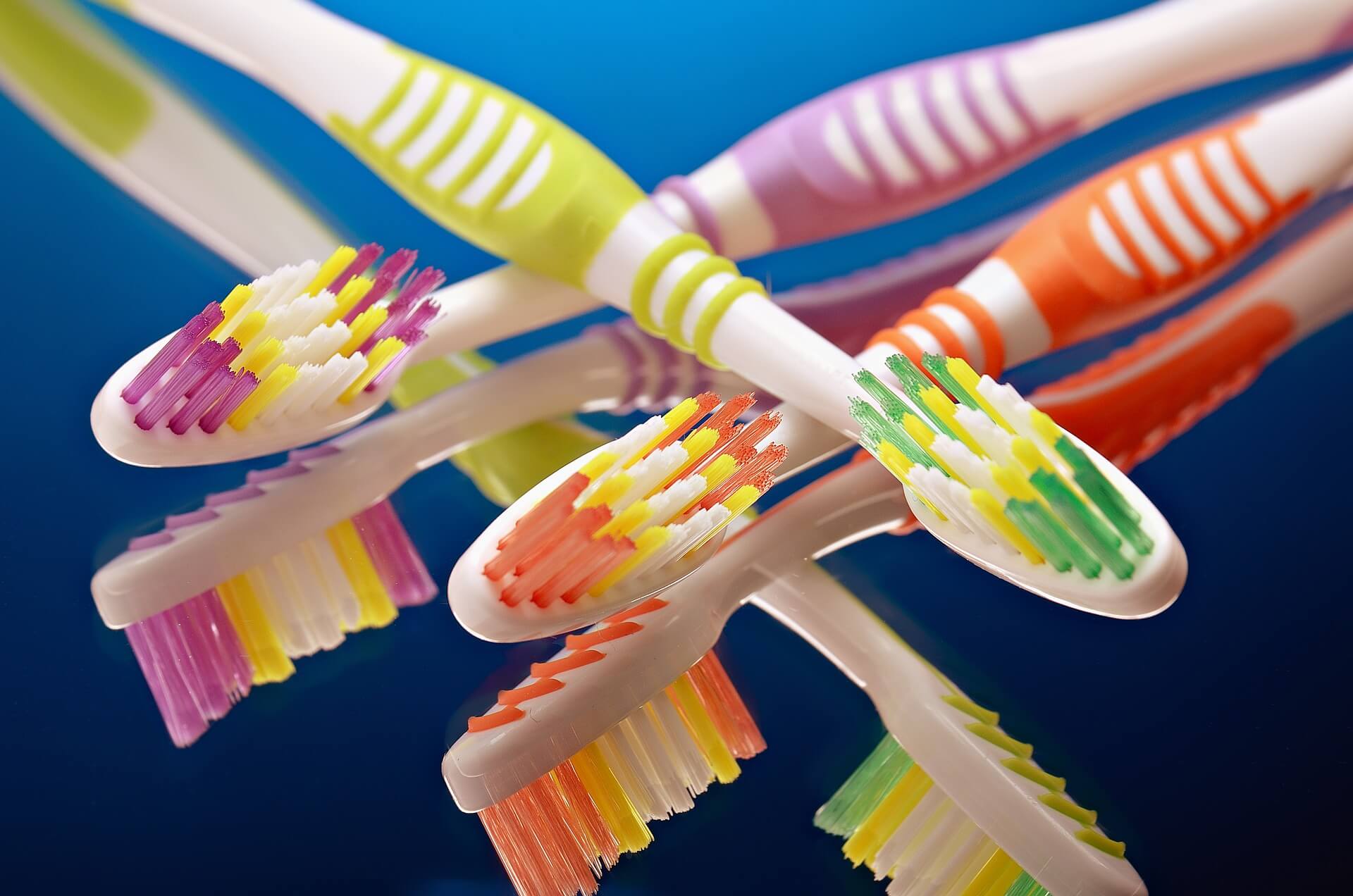
Manual toothbrushes are non-powered oral hygiene instruments used for the mechanical removal of dental plaque (biofilm) and food debris from tooth surfaces and gingival margins. In a professional dental catalog, these range from standard daily-use brushes to highly specialized brushes designed for specific clinical conditions, such as orthodontic treatment, periodontal surgery recovery, or limited dexterity.
Key Features
- Bristle Texture (Filament Grade): Available in various diameters, ranging from “Medium” to “Extra-Soft” or “Ultra-Soft.” Clinical-grade brushes often prioritize soft, end-rounded filaments to prevent gingival recession and enamel abrasion.
- Head Geometry: Compact or tapered head designs allow for better access to posterior regions (molars) and lingual surfaces where space is constrained.
- Handle Ergonomics: Designed with non-slip thumb grips and various angulations to help patients apply the correct pressure and reach difficult angles without straining the wrist.
- Specialized Trim Patterns: Bristles may be flat-trimmed, multi-level, or V-trimmed (specifically for cleaning around orthodontic brackets and wires).
- Filament Material: Most high-quality manual brushes use PBT (Polybutylene Terephthalate) or Nylon filaments, which are durable and quick-drying to inhibit bacterial growth.
Usage
- Daily Plaque Control: The primary tool for the “Modified Bass Technique” or “Stillman Technique” to maintain oral health and prevent dental caries and gingivitis.
- Post-Surgical Care: Ultra-soft “surgical” brushes are used by patients following extractions, implant placement, or periodontal surgery when standard bristles would be too traumatic for healing tissue.
- Orthodontic Maintenance: Specifically used to navigate around brackets, bands, and archwires to prevent “white spot” lesions (decalcification).
- Denture & Appliance Cleaning: Large-headed manual brushes are used to mechanically clean removable prosthetics, such as dentures or clear aligners.
- Patient Education: Dentists and hygienists use manual toothbrushes as high-value “chairside” education tools to demonstrate proper brushing techniques to patients before sending them home with a recommended model.