Description
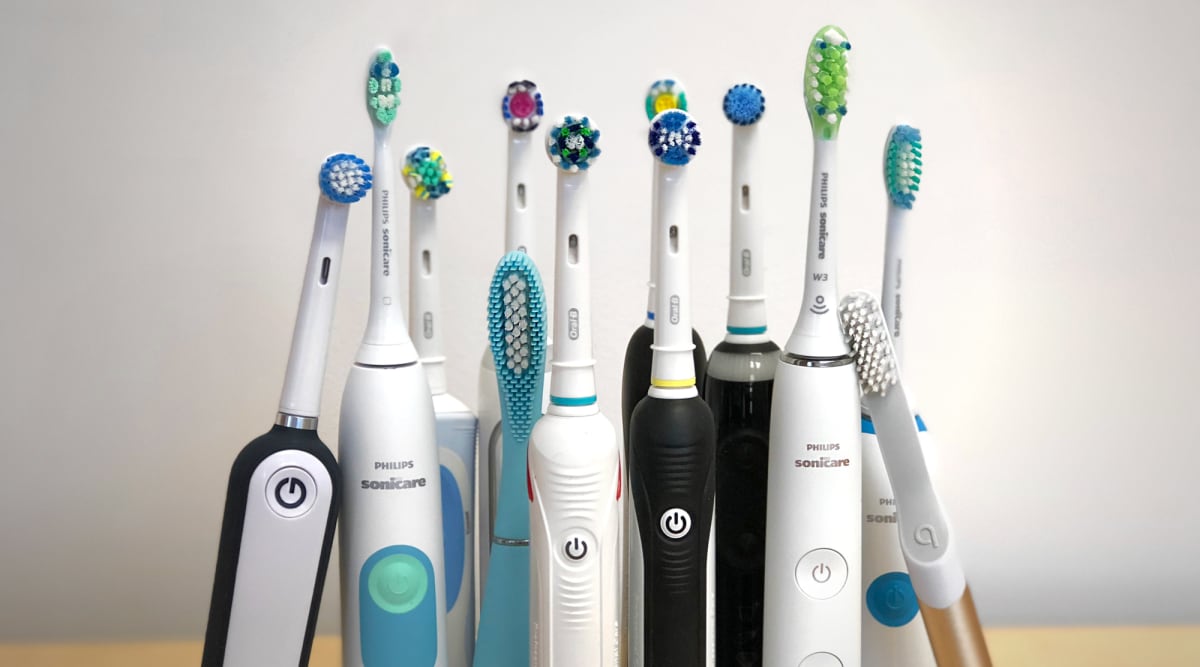
An electric toothbrush is a battery-operated or rechargeable oral hygiene device that utilizes rapid bristle movements to remove plaque and debris. Unlike manual brushes that rely on the user’s hand motion, electric toothbrushes automate the cleaning process using high-speed oscillations, rotations, or sonic vibrations. In a clinical context, they are categorized as advanced biofilm-management tools that enhance patient compliance and improve gingival health.
Key Features
- Advanced Motion Technology: * Oscillating-Rotating: Features a small, round brush head that spins and pulses to cup each individual tooth.
- Sonic/Ultrasonic: Uses high-frequency vibrations (up to 62,000 brush movements per minute) to create “fluid dynamics” that reach deep into interproximal spaces.
- Pressure Sensors: Built-in safeguards that alert the user (via light, sound, or reduced speed) if they are applying excessive force, preventing gingival recession and enamel abrasion.
- Integrated Timers & Pacers: Internal 2-minute timers with 30-second “quadrant pacers” to ensure the patient brushes for the dentist-recommended duration and covers all areas of the mouth evenly.
- Customizable Cleaning Modes: Specialty settings such as Sensitive, Gum Care, Whitening, and Tongue Cleaning to tailor the experience to specific clinical needs.
- Smart Connectivity: High-end models often feature Bluetooth integration with smartphone apps to provide real-time feedback on brushing coverage and habits.
- Ergonomic Handles: Larger, non-slip handles designed for better grip, which is particularly beneficial for patients with limited manual dexterity or arthritis.
Usage
- Technique (Positioning over Scrubbing): Users are instructed to guide the brush head gently along the tooth surfaces and gum line, allowing the motor to do the work rather than using a vigorous “scrubbing” motion.
- Patient Compliance: Used as a primary tool for patients who struggle with manual brushing techniques, specifically those with high plaque indices or early-stage gingivitis.
- Specialized Care: Ideal for patients with orthodontic appliances (braces), dental implants, or bridge-work, as the specialized brush heads can navigate hardware more effectively than manual bristles.
- Professional Recommendation: Frequently recommended by dental hygienists during “Oral Hygiene Instructions” (OHI) to help bridge the gap between professional cleanings.