Description
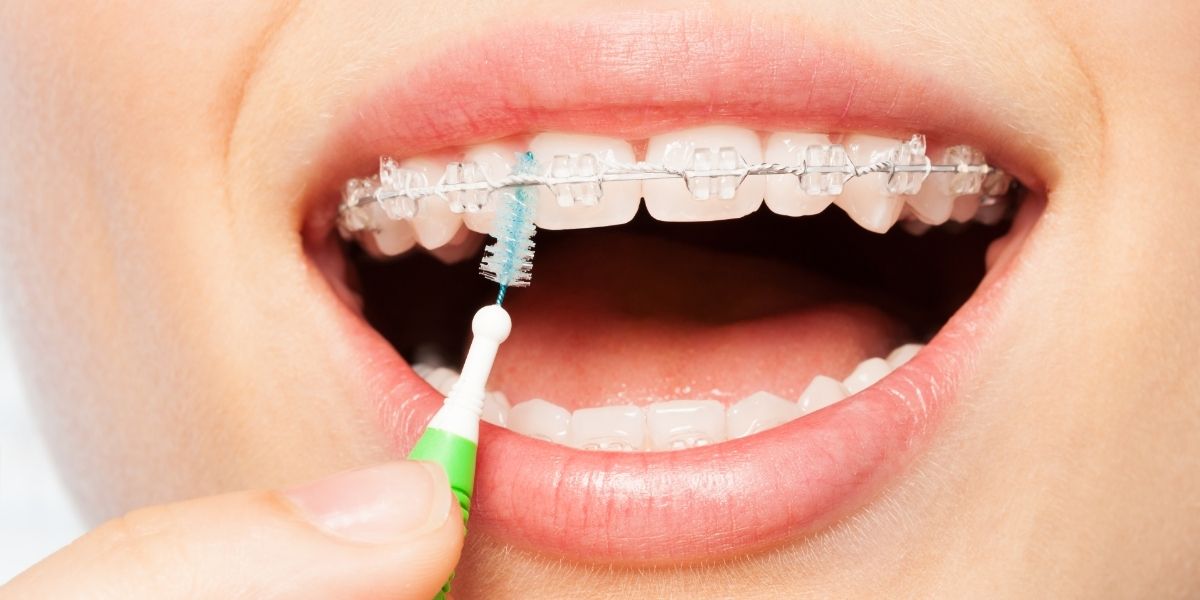
Interdental brushes are small, specialized oral hygiene tools designed specifically to clean the gaps between teeth (interproximal spaces) where a standard toothbrush cannot reach. They consist of a slender plastic handle and a thin wire core embedded with soft nylon bristles, shaped like a miniature bottle brush or “pine tree.” These tools are essential in dental practice for patients with larger gaps, orthodontic appliances, or periodontal disease, as they are often more effective and easier to use than traditional dental floss for certain clinical profiles.
Key Features
- Color-Coded Sizing: Available in a standardized range of diameters (often following ISO standards) to fit various gap sizes, from tight spaces to wide missing-tooth gaps.
- Flexible Wire Core: The central wire is typically plastic-coated (especially for use around dental implants to avoid scratching or “galvanic shock”) and can be bent to reach posterior (back) teeth easily.
- Ergonomic Handles: Designed with non-slip grips, available in short “I-shaped” versions for anterior teeth or long “L-shaped” handles for better access to molars.
- High-Quality Filaments: Soft, rounded nylon bristles designed to remove plaque effectively without traumatizing the gingival tissue (gums).
- Portability & Hygiene: Most brushes come with individual ventilated caps, allowing the brush to dry between uses and remain hygienic during travel.
Usage
- Plaque Removal: Used daily to mechanically disrupt the biofilm and food debris located in the interdental “col” area—the spot where gum disease most frequently starts.
- Periodontal Maintenance: A primary recommendation for patients with receding gums or “black triangles,” where floss is less effective at scrubbing the concave surfaces of the tooth roots.
- Orthodontic Care: Ideal for cleaning around brackets and under archwires where food easily becomes trapped.
- Implant & Bridge Care: Used to clean the underside of bridges and around the base of dental implants to prevent peri-implantitis.
- Medication Application: Can be used as an applicator to apply desensitizing gels or antibacterial rinses (like Chlorhexidine) directly into specific interproximal pockets.