
Description
Mouth Rinses are medicated or preventative oral solutions designed to reach areas of the oral cavity that mechanical brushing and flossing might miss. In a clinical setting, they are categorized into preventive (prophylactic), therapeutic (treatment-oriented), and pre-procedural rinses. They serve as a delivery vehicle for active ingredients such as antimicrobial agents, fluorides, or soothing elements to the oral mucosa and interdental spaces.
Key Features
- Active Ingredient Formulations: Available in various chemical compositions, including Chlorhexidine Gluconate (CHX), Cetylpyridinium Chloride (CPC), Essential Oils, or Sodium Fluoride.
- Alcohol-Free Options: Many professional lines offer ethanol-free formulas to prevent mucosal irritation and accommodate patients with dry mouth (xerostomia) or sensitive tissues.
- Targeted pH Balancing: Formulated to neutralize oral acidity, helping to reach a “safe” pH level that inhibits the demineralization of tooth enamel.
- Surface Tension Reducers: Designed to penetrate biofilm and reach deep into periodontal pockets or orthodontic appliances.
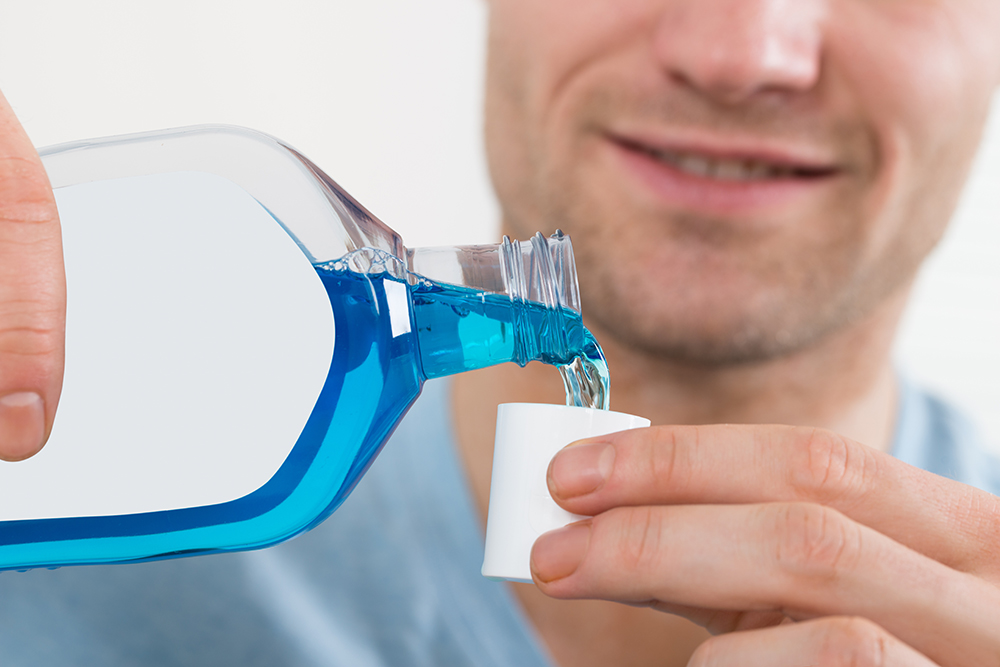
- Calibrated Delivery: Often packaged with measured dispensing caps to ensure patients use the exact therapeutic dose required for efficacy.
Usage
- Pre-Procedural Decontamination: Used by patients immediately before dental treatment to reduce the microbial load in oral aerosols, protecting the clinical staff.
- Periodontal Therapy: Prescribed as an adjunct to scaling and root planing (SRP) to control gingival inflammation and reduce bleeding.
- Caries Prevention: High-fluoride rinses are used to promote remineralization in patients with a high risk of cavities or those undergoing orthodontic treatment.
- Post-Surgical Care: Used to maintain hygiene in surgical sites where mechanical brushing is temporarily prohibited (e.g., after extractions or implant placement).
- Symptomatic Relief: Utilized to manage oral malodor (halitosis), soothe oral ulcers, or provide lubrication for patients suffering from chronic dry mouth.