Description
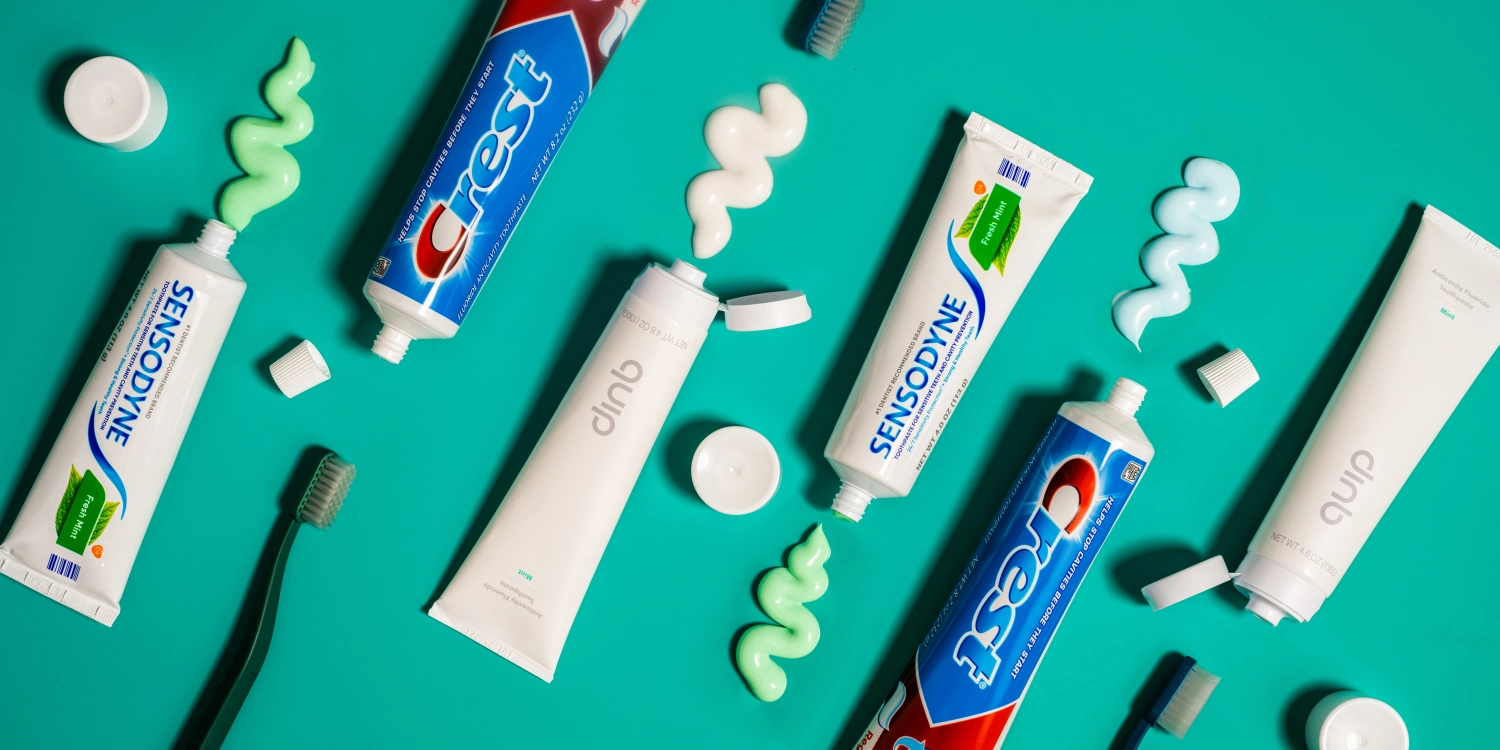
Toothpaste is a semi-solid paste or gel formulation designed to remove dental plaque and food debris from teeth, deliver active medicinal ingredients to the oral mucosa and enamel, and suppress halitosis (bad breath). In a professional dental context, it serves as a primary vehicle for preventive treatments, such as remineralization and gingival inflammation control.
Key Features
- Abrasive System: Contains mild abrasives (such as hydrated silica or calcium carbonate) designed to remove surface stains and biofilm without damaging the enamel or dentin (measured by the RDA – Relative Dentin Abrasion value).
- Active Therapeutic Agents: Formulated with specific concentrations of Fluoride (Sodium Fluoride or Stannous Fluoride) for caries prevention or Potassium Nitrate for desensitization.
- Surfactants: Includes foaming agents (like SLS or SLS-free alternatives) that help distribute the paste evenly and emulsify debris during brushing.
- Humectants & Binders: Ingredients that retain moisture to prevent the paste from hardening and ensure a smooth consistency for dispensing.
- pH Balancing: Many professional formulations are buffered to neutralize oral acidity, creating an environment less conducive to enamel erosion.
Usage
- Caries Prevention: Daily application to strengthen enamel through remineralization and inhibit the demineralization caused by acid-producing bacteria.
- Sensitivity Management: Used by patients with dentin hypersensitivity to block exposed dentinal tubules or desensitize nerve endings.
- Gingival Health: Targeted use of antibacterial formulations to reduce plaque buildup along the gumline, helping to manage gingivitis and early-stage periodontitis.
- Post-Procedural Care: Specialized low-abrasion pastes are used following whitening treatments or oral surgery to maintain hygiene without irritating sensitive tissues.
- Stain Management: Utilized for the mechanical removal of extrinsic stains from coffee, tea, or tobacco to maintain the aesthetic results of professional cleanings.