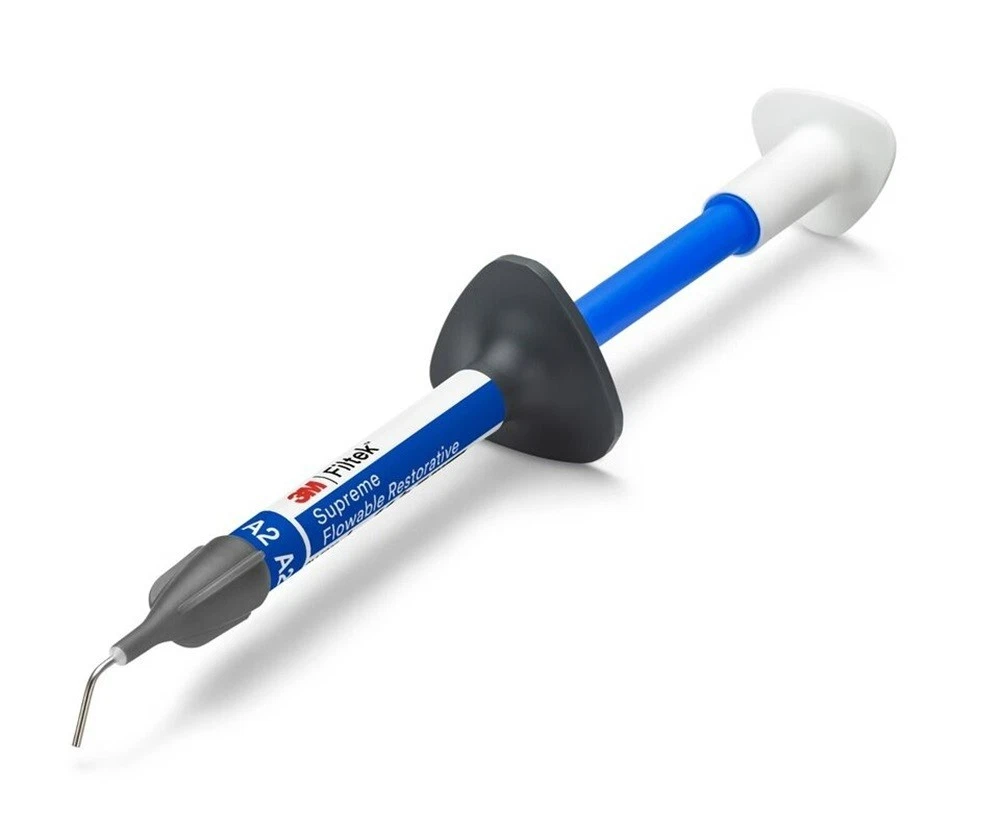
Dental sealants are thin, protective coatings (typically resin-based or glass ionomer) applied to the chewing surfaces of the posterior teeth—specifically the pits and fissures of molars and premolars. They act as a physical barrier to prevent tooth decay by sealing off deep grooves where food particles and bacteria often get trapped.
Description
Sealants are preventive restorative materials designed to “fill in” the complex morphology of occlusal surfaces. Because the bristles of a toothbrush often cannot reach the bottom of narrow fissures, sealants create a smooth, easy-to-clean surface. They are most commonly applied to children and teenagers as soon as their permanent molars erupt, though adults with deep grooves can also benefit.
There are two primary types:
- Resin-Based Sealants: The most common type. They require a dry field for application and are cured using a specialized UV light.
- Glass Ionomer (GI) Sealants: These release fluoride over time and are more moisture-tolerant, making them ideal for partially erupted teeth where moisture control is difficult.
Key Features
- Physical Barrier: Effectively “seals” the tooth from Streptococcus mutans and fermentable carbohydrates.
- Preventive Efficacy: Research indicates sealants can reduce the risk of decay in molars by up to 80% in the first two years after application.
- Non-Invasive: Unlike a filling, no tooth structure (enamel) needs to be removed or drilled during application.
- High Flowability: Low viscosity allows the material to penetrate deep into microscopic pits and narrow fissures.
- Longevity: While they can last for several years, they are easily monitored and reapplied during routine dental check-ups.
Usage and Clinical Procedure
The application of sealants is a quick and painless process that follows these general steps:
| Step | Action |
| Cleaning | The tooth surface is thoroughly cleaned to remove plaque and debris from the pits. |
| Conditioning (Etching) | A mild acidic gel (Etchant) is applied to “roughen” the enamel surface, ensuring a strong mechanical bond. |
| Rinsing & Drying | The etchant is rinsed off, and the tooth is dried until the enamel appears “frosty” or chalky white. |
| Application | The sealant resin is painted directly onto the enamel, flowing into the deep grooves. |
| Curing | A curing light is used for approximately 20–30 seconds to harden the material. |
| Evaluation | The dentist or hygienist checks the “bite” (occlusion) to ensure the sealant does not interfere with normal chewing. |
Summary Table: Sealants vs. Composites
| Feature | Dental Sealants | Flowable Composites |
| Primary Goal | Prevention (Stop decay before it starts) | Restoration (Fix existing decay) |
| Invasiveness | No drilling required | Requires removal of decayed tissue |
| Viscosity | Very low (highly fluid) | Low to medium |
| Location | Only in pits and fissures | Can be used in any part of the cavity |