Protective Eyewear (Dental Grade)
Description
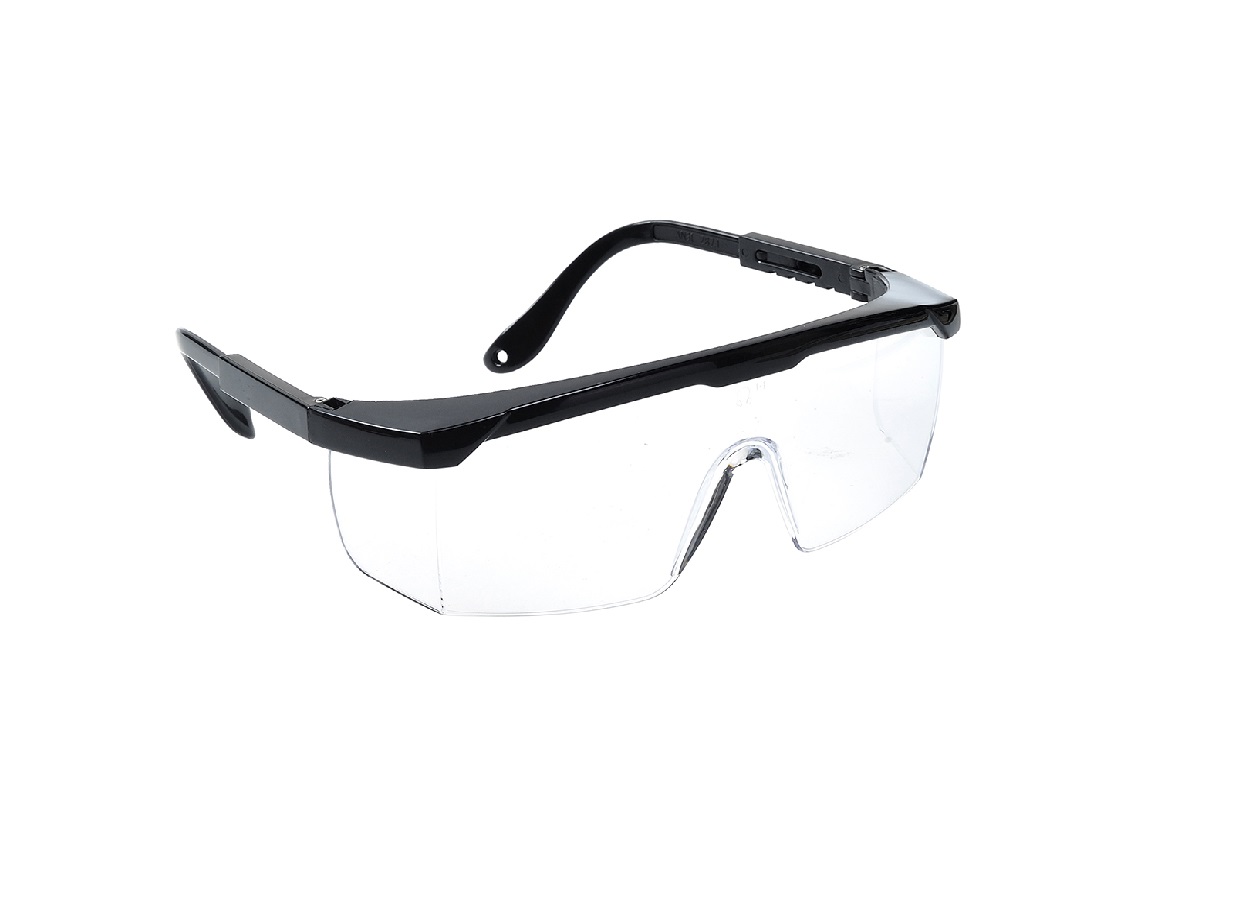
Dental Protective Eyewear is a specialized form of Personal Protective Equipment (PPE) designed to safeguard the eyes of both dental professionals and patients. In a clinical setting, the eyes are vulnerable to high-speed projectiles (tooth fragments, amalgam), chemical splashes (etchants, disinfectants), and infectious aerosols. These glasses provide a physical barrier that combines high-impact resistance with optical clarity to ensure safety without compromising the precision required for dental work.
Key Features
- Impact Resistance (ANSI Z87.1): Lenses and frames are made from high-strength polycarbonate that can withstand high-velocity particles (e.g., a bur fragment or piece of calculus flying at 50 mph).
- Wraparound Design & Side Shields: Provides 360-degree protection, closing the gaps at the temples and brow where splashes or debris could enter.
- Anti-Fog Coating: Essential for dental work where the clinician’s breath or the heat from a surgical mask often causes lenses to cloud up.
- Optical Clarity & UV Protection: High-quality lenses prevent visual distortion and protect the eyes from the harmful UV/Blue light emitted by dental curing lights.
- Comfort & Ergonomics: Features like adjustable temples, soft rubber nose bridges, and lightweight frames are designed for all-day wear during long procedures.
- OTG (Over-the-Glass) Compatibility: Many models are specifically designed to fit comfortably over a clinician’s or patient’s existing prescription eyeglasses.
Usage & Protocols
- For the Dental Team: Must be worn during any procedure that generates spray, spatter, or aerosols (e.g., using high-speed handpieces, ultrasonic scalers, or air-polishing).
- For the Patient: The industry “Gold Standard” is “First On, Last Off.” The patient should put on the glasses as soon as they sit in the chair and only remove them once the treatment is completely finished.
- Light Curing Protection: Specific orange-tinted eyewear or shields should be used when operating dental curing lights to prevent “blue light” retinal damage.
- Maintenance & Sterilization: * Reusable: Should be cleaned with mild soap and water, then disinfected with a non-corrosive hospital-grade disinfectant between every patient.
- Disposable: Single-use shields should be discarded after procedures involving high aerosol counts to prevent cross-contamination.